
Are you a foreign national dreaming of working in Japan? This comprehensive guide covers everything you need to know about working in Japan, from obtaining the right visa to building a successful career.
We’ll walk you through 10 essential steps that will help you navigate Japan’s unique employment landscape.
-
- You’ll discover complete visa application processes for Japan.
- You’ll master Japanese job hunting and workplace culture.
- You’ll learn essential life setup including housing and banking.

1. Why Foreign Nationals Choose to Work in Japan
Foreign workers in Japan surpassed 2 million in 2023, driven by the country’s labor shortages and growing openness to international talent. Most workers come from Asian countries, with highest demand in manufacturing, IT, and service industries.
Japan attracts foreign professionals through exceptional safety, world-class infrastructure, and comprehensive healthcare. The country offers stable employment with social security benefits and legally mandated equal treatment.
Career opportunities include gaining technical expertise and experiencing Japan’s quality management practices, making it an attractive destination for long-term professional growth.
2. Understanding Work Visas: How to Work in Japan Legally
A residence status is your legal permission to stay and conduct specific activities in Japan. A “work visa” is a common term for residence statuses that allow paid employment. Japan offers 16 different work-eligible residence statuses, each designed for specific types of employment.
Most Common Work Visas for Foreign Nationals
Engineer/Specialist in Humanities/International Services
is the most popular work visa in Japan, covering technical work (IT and engineering), humanities-based work (consulting and marketing), and international services (translation and cross-cultural business).
Specified Skills
addresses labor shortages with two levels: No. 1 for workers with considerable experience (maximum 5 years) and No. 2 for highly skilled workers (renewable indefinitely with family accompaniment).
Business Manager
visa enables foreign nationals to start companies or work in executive positions, requiring substantial capital investment (typically 5 million yen) or hiring full-time Japanese employees.
Choosing Your Ideal Work Visa
Selection depends on your educational background, work experience, Japanese language ability, and career objectives.
University graduates typically qualify for Engineer/Specialist visas, while those with limited specialized experience might consider Specified Skills.
Entrepreneurs should explore Business Manager visas, and highly skilled professionals may benefit from the Highly Skilled Professional visa.
■Related Reading
Navigate the complexities of obtaining the right work visa for your career goals. This comprehensive guide covers all visa types, requirements, and application processes specifically designed for foreign engineers.
3. Step-by-Step Guide: How to Work in Japan Successfully
Getting permission to work in Japan involves a systematic 10-step process. Following these steps carefully maximizes your chances of success.
Steps 1-3: Preparation and Job Search
Step 1: Identify Your Ideal Residence Status
Analyze your educational background, work experience, qualifications, and Japanese language ability against requirements for different residence statuses.
Step 2: Prepare Required Documents
Start gathering documents early. You’ll need educational certificates, work experience letters, and various official documents, many requiring official translations.
Step 3: Secure a Job Offer
Focus on specialized job sites (Daijob, Careercross), global companies with international operations, professional networks (LinkedIn), and recruitment agencies (Pasona Global, Robert Walters).
Steps 4-7: Visa Application Process
Step 4-5: Certificate of Eligibility
Your Japanese employer applies for this document (1-3 months processing). Check all details carefully upon receipt.
Step 6-7: Visa Application and Entry
Apply at Japanese embassy/consulate in your home country (5 business days). Enter Japan within the certificate’s 3-month validity period.
Steps 8-10: Establishing Life in Japan
Step 8: Receive Residence Card
Your primary identification document in Japan, which you must carry at all times.
Step 9: Complete Administrative Procedures
Within 14 days, register as a resident, enroll in health insurance, join the pension system, and open a bank account.
Step 10: Begin Work and Plan Renewal
Start employment while tracking your visa expiration. Begin renewal planning 3-4 months before expiration.
4. How to Work in Japan: Understanding Different Visa Types
Each work visa in Japan serves different purposes and offers unique advantages. Understanding these distinctions helps you make informed decisions about your career path and long-term goals in Japan.
Engineer/Specialist: The Gateway to Work in Japan
This visa covers the broadest range of professional activities across engineering, humanities, and international services. The application requires demonstrating connection between your educational background or work experience and intended job duties.
Specified Skills: Japan’s Response to Labor Demands
This system explicitly aims to fill labor gaps across 12 industries. No. 1 requires industry-specific skill tests and basic Japanese proficiency. No. 2 provides permanent resident-like benefits, including family accompaniment and unlimited renewals.
Highly Skilled Professional: Fast Track to Permanent Residence
This points-based system awards points for education, work experience, income, age, and Japanese ability. Reaching 70 points allows permanent residence application after 3 years; 80 points reduces this to 1 year.
Business Manager: How to Work in Japan as an Entrepreneur
Success requires demonstrating business viability through detailed planning, securing appropriate office space, and meeting minimum investment requirements of 5 million yen capital or employing two full-time Japanese staff.
■日本でエンジニアとしてキャリアアップしたい方へ
海外エンジニア転職支援サービス『 Bloomtech Career 』にご相談ください。「英語OK」「ビザサポートあり」「高年収企業」など、外国人エンジニア向けの求人を多数掲載。専任のキャリアアドバイザーが、あなたのスキル・希望に合った最適な日本企業をご紹介します。
▼簡単・無料!30秒で登録完了!まずはお気軽にご連絡ください!
Bloomtech Careerに無料相談してみる
5. Mastering the Job Hunt: How to Work in Japan Successfully
Japanese job hunting emphasizes relationship-building, detailed documentation, and cultural fit alongside technical qualifications.
Finding the Right Opportunities
Specialized platforms like Daijob and Careercross focus on foreign professionals. Professional recruitment agencies provide valuable guidance, especially for mid-career professionals. Government-supported job centers offer free services including placement and interview preparation.
Creating Compelling Applications
Japanese resumes follow specific JIS formats with professional photographs and detailed visa information. Career documents should emphasize concrete achievements with specific numbers. Japanese employers value team collaboration, process improvement, and long-term thinking.
Key success elements
- JLPT certification for Japanese proficiency
- Cross-cultural skills and international experience
- Understanding of Japanese business practices
- Emphasis on reliability, teamwork, and continuous learning
■Related Reading
Master the interview process with confidence using proven strategies tailored for foreign engineers. Learn about Japanese interview customs, preparation techniques, and how to showcase your international expertise effectively.

6. Overcoming Challenges: How to Work in Japan with Language and Cultural Barriers
Language and cultural differences are the most common challenges foreign professionals face in Japan. However, with the right strategies and mindset, these barriers become manageable stepping stones to career success.
Japanese Language Requirements by Industry
IT and engineering positions often have more flexibility, especially at international companies. Service industries and administrative positions typically require higher proficiency due to extensive client interaction.
Development strategies
- Start with business Japanese basics
- Focus on industry-specific vocabulary
- Practice keigo (honorific language)
- Join language exchange programs

Understanding Japanese Workplace Culture
Japanese business culture emphasizes harmony, consensus-building, and long-term relationships.
The concept of “reading the air” involves understanding unspoken communication. Hierarchy provides mentorship opportunities and clear development paths.
Success depends on relationship-building through after-work socializing and showing genuine interest in Japanese culture.
■Related Reading
Dive deeper into the essential cultural norms and practices that define Japanese workplaces. Understanding these nuances will help you integrate smoothly and build strong professional relationships from day one.

7. Building Your Foundation: How to Work in Japan and Live Comfortably

Establishing essential life infrastructure allows you to focus on your career without administrative distractions. Proper preparation of housing, banking, and healthcare ensures a smooth transition to your new life in Japan.
Securing Housing
Initial costs typically total 4-6 months of rent upfront, including security deposits and key money. Guarantee companies provide services for foreign residents, eliminating the need for personal guarantors.
Housing options
- Apartments/Mansions for privacy and stability
- Share houses for cost-effective international communities
- Company housing for subsidized accommodation
- Serviced apartments for short-term solutions
Financial Setup
Major banks have international departments experienced with foreign customers. Consider both traditional banks and online options like Rakuten Bank for foreigner-friendly services. Mobile phone contracts require similar documentation, with eSIM options making setup faster.
Healthcare and Social Security
National health insurance covers all residents staying longer than three months, covering 70% of medical expenses. Pension enrollment is mandatory with provisions for lump-sum withdrawals when leaving Japan permanently.
■Related Reading
Get practical guidance on finding and securing housing in Tokyo’s competitive rental market. This comprehensive guide covers costs, procedures, and insider tips for foreign IT professionals.

8. Long-term Success: How to Work in Japan and Build Your Career
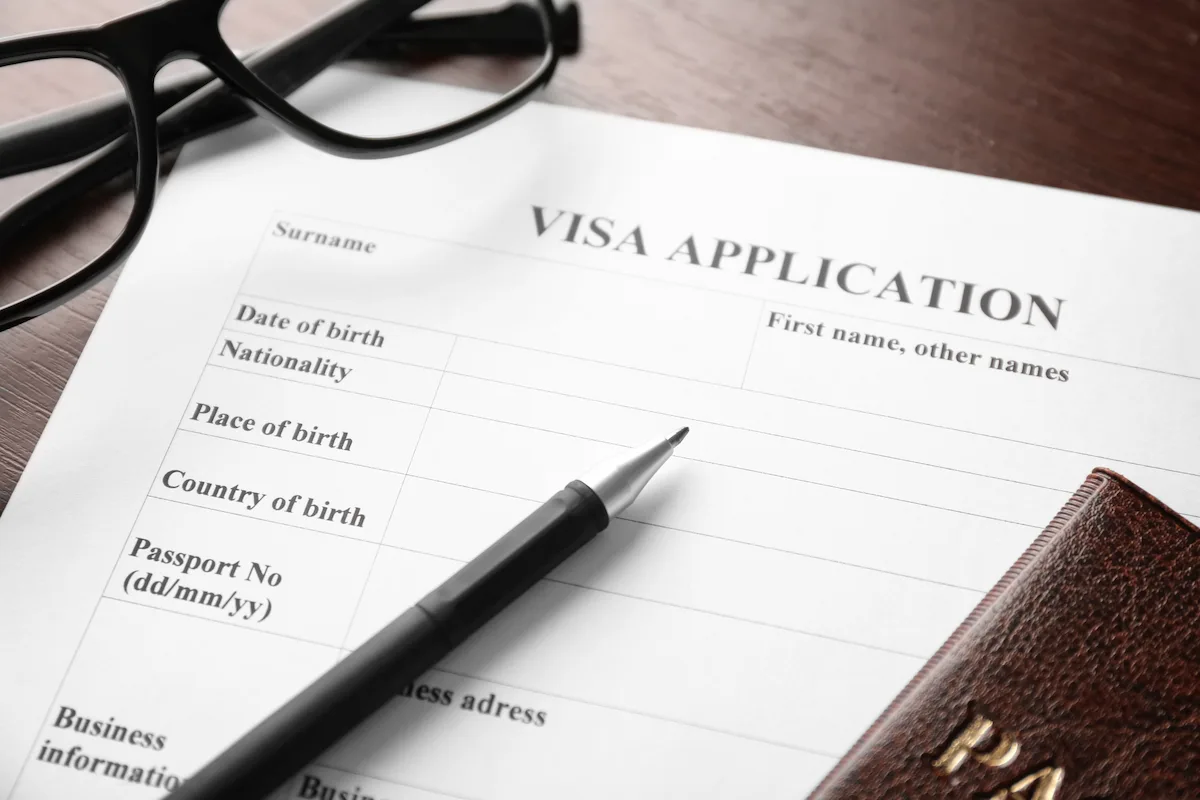
Sustainable career growth in Japan requires strategic planning beyond initial employment. Proper visa management and advancement strategies ensure your professional journey continues to flourish.
Managing Visa Renewals
Apply starting three months before expiration. Success depends on demonstrating stable employment, tax compliance, and community integration. The process typically takes 2-4 weeks.
Path to Permanent Residence
Standard requirements include 10 years of continuous residence, but highly skilled professionals can qualify in 1-3 years. Benefits include no renewal requirements, job change freedom, easier loan access, and enhanced career stability.
Career Advancement Strategies
Success often involves developing both technical expertise and cultural competency. Consider Japanese professional certifications and networking within professional communities to access opportunities not publicly advertised.
■Related Reading
Accelerate your career growth with strategic advancement techniques designed for foreign engineers in Japan. Learn how to navigate promotions, build networks, and leverage your international background for success.

9. Common Questions About How to Work in Japan

Foreign professionals often have specific concerns about working in Japan. These frequently asked questions address practical issues that can impact your decision-making and planning process.
How Long Does the Visa Process Take?
The complete process typically takes 2-4 months: Certificate of Eligibility processing (1-3 months) plus visa issuance (5 business days). Start your job search 6-12 months before your intended move.
Can I Work with Limited Japanese?
Yes, especially in IT, research, and international business at multinational companies. However, Japanese ability significantly expands opportunities and earning potential.
Strategies for limited speakers
- Target international companies and startups
- Focus on technical roles where skills transcend language
- Consider English teaching for native speakers
- Develop industry-specific vocabulary
Are Side Jobs Allowed?
Work within your visa category generally doesn’t require special permission. Activities outside your scope require “Permission for Activities Other than Those Permitted” allowing up to 28 hours weekly of additional work.
10. How to Work in Japan Successfully as a Foreign National
Working in Japan is achievable with proper planning. Success requires obtaining the right work visa, understanding workplace culture, and establishing life foundations like housing and banking. Language skills help but aren’t always mandatory, especially in IT and international companies.
Balance respect for Japanese customs with confidence in your international expertise. With over 2 million foreign workers thriving in Japan, opportunities continue expanding for skilled professionals committed to building their career in this dynamic country.