
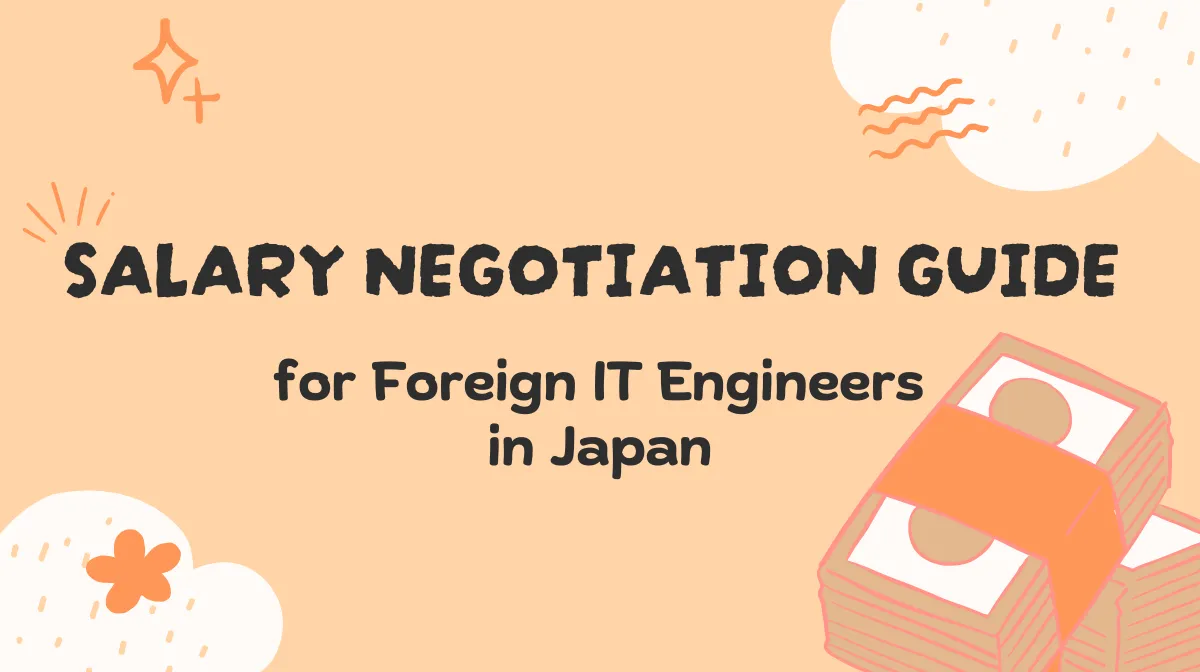
For foreign IT engineers in Japan, the internal transfer system differs from Western job-hopping culture. Japanese companies develop employees by moving them between departments to build broader skills and advance careers within stable organizations.
This guide provides eight practical steps and key success points to help foreign IT engineers navigate Japan’s unique transfer system effectively.
- How Japan’s internal transfer system differs from West.
- Eight steps to navigate transfers in Japanese companies.
- Real career advancement strategies for foreign engineers.

1. Understanding Internal Transfer Japan: A Unique Career Development System
Japan’s Internal Transfer System
A Unique Path to Career Development
Western Style
Engineers often specialize in one area and switch companies to advance their careers.
Japanese Style
Companies cultivate generalists by moving employees across different departments.
Key Benefits for Global IT Engineers
Skill Diversification
Cultural Understanding
Career Acceleration
Global Value
Japan’s internal transfer system differs fundamentally from Western career practices. While Western engineers typically specialize in specific technologies and change companies for advancement, Japanese companies develop generalists through internal movement across different departments.
This system stems from Japan’s lifetime employment model, where companies invest in long-term employee development. Instead of hiring external talent, Japanese firms train existing employees for new roles, creating versatile professionals who understand the entire organization.
Key Benefits for Foreign IT Engineers
- Skill Diversification
Move from technical roles to management or cross-functional positions - Cultural Understanding
Learn Japanese business practices while maintaining job security - Career Acceleration
Fast-track to leadership through diverse experience - Global Value
Become valuable for international expansion and cross-cultural teams
2. Types of Internal Transfer Japan: Career Paths and Opportunities
Japanese companies offer three main transfer types, each providing different career benefits.
Department Transfer (Horizontal Movement)
Move to different functions at the same level. Common paths include web development to mobile apps, system development to data analytics, or internal IT to customer-facing products. These transfers help build T-shaped skills—deep expertise plus broad knowledge across domains.
Promotion Transfer (Vertical Movement)
Progress from senior engineer to team lead, project manager, and eventually department head or CTO. Foreign engineers excel here due to cross-cultural communication skills and global perspectives.
Location Transfer (Geographic Movement)
Move between offices domestically or internationally. These leverage your international experience and language skills, often leading to roles in Southeast Asia expansion or regional management positions.
■Related Reading
Understanding Japan’s unique promotion system is crucial for career advancement. Learn specific strategies to accelerate your progress in Japanese tech companies.

3. Overcoming Internal Transfer Japan Challenges: Practical Solutions
Transfer Challenges
For Global Engineers in Japan
Language
Advanced Japanese is key for business roles.
- Study early
- Learn key terms
- Get feedback
Culture
Keywords: Consensus, Harmony, Indirectness.
Evaluation
Teamwork & Broad Skills > Individual Expertise.
Foreign IT engineers face specific challenges when navigating internal transfers. Understanding these obstacles helps ensure successful transitions.
Language and Communication Barriers
Moving from technical to business roles requires elevated Japanese skills. Technical documentation differs from business reports, presentations, and strategic planning documents.
Solutions
- Start business Japanese study 3-6 months before desired transfer
- Learn industry-specific terminology for target departments
- Establish regular feedback sessions with Japanese colleagues
- Use text-based discussions and prepare meeting agendas in advance
Cultural Integration
Japanese workplace culture emphasizes consensus-building, indirect communication, and group harmony. Success requires observing organizational dynamics, understanding decision-making processes, and gradually contributing your perspective while respecting existing practices.
Technical Evaluation Differences
Japanese companies prioritize team contribution over individual achievements, work breadth over technical depth, and stability over innovation. Express technical achievements in terms of business value and demonstrate continuous learning in both technology and business knowledge.
■Related Reading
Mastering Japanese workplace hierarchy is essential for successful internal transfers. Understand the cultural dynamics that impact your career progression.
4. Step-by-Step Guide to Internal Transfer Japan Success
8 Steps to Transfer Success
A Guide for Global Engineers
Understand Culture
Research company history & values.
Strategic Skills
Learn terms, practice, get feedback.
Adapt Tech
Focus on team coding & quality.
Network
Build relationships beyond your team.
Effective Request
Show clear benefits to the business.
Perfect Handover
Document everything, support successor.
Create Value Early
Quick wins & build trust in 90 days.
Long-Term Vision
Align transfers with your career goals.
Follow this systematic approach to maximize transfer opportunities and outcomes.
Step 1: Corporate Culture Understanding (3-6 Months Before)
Study your company’s founding principles, history, and major decisions. Understand target department cultures through informal dialogue and identify successful transfer examples within your organization.
Step 2: Strategic Skill Development
Staged Learning Approach
- 3 months before: Learn specialized terminology and department-specific formats
- 1 month before: Practice presentations and meetings with Japanese colleagues
- After transfer: Monthly feedback sessions for continuous improvement
Step 3: Technology Skills Adaptation
Focus on Japanese companies’ emphasis on long-term maintainability, team-compatible coding practices, and quality processes. Research your target department’s technology stack and standards.
Step 4: Strategic Networking
Build relationships across departments, not just your target area. Participate in company events, volunteer for cross-departmental projects, and provide value through your specialized knowledge and international perspective.
Step 5: Effective Transfer Request
Choose appropriate timing during planning periods or performance reviews. Present your request as a business opportunity, explaining how your skills benefit the target department with specific examples and measurable outcomes.
Step 6: Perfect Handover Process
Execute flawless handovers to demonstrate responsibility. Document all responsibilities, systems, and relationships comprehensively. Provide gradual transitions and follow-up support to successors.
Step 7: Early Value Creation (First 90 Days)
Focus on quick wins through small improvements while learning department objectives. Actively ask questions and show genuine interest in learning new business areas to gain trust from colleagues.
Step 8: Long-term Career Vision
Position transfers as strategic steps toward 5-10 year career goals. Clarify necessary experience and skills, then design transfer plans that build comprehensive professional value over time.
■Related Reading
Performance reviews in Japan differ significantly from Western practices. Understanding these differences is crucial for successful internal transfers and career growth.

■日本でエンジニアとしてキャリアアップしたい方へ
海外エンジニア転職支援サービス『 Bloomtech Career 』にご相談ください。「英語OK」「ビザサポートあり」「高年収企業」など、外国人エンジニア向けの求人を多数掲載。専任のキャリアアドバイザーが、あなたのスキル・希望に合った最適な日本企業をご紹介します。
▼簡単・無料!30秒で登録完了!まずはお気軽にご連絡ください!
Bloomtech Careerに無料相談してみる
5. Real Success Stories: Internal Transfer Japan Experiences
These real-world examples show how foreign IT engineers have successfully leveraged Japan’s internal transfer system to advance their careers and achieve significant professional growth.
Developer to Product Manager: Liu (China)
Transitioned from Java development to product management after intensive business Japanese learning and PM methodology study. Achieved 25% salary increase and promotion to lead PM within one year.
Engineer to Regional Director: Alex (USA)
Leveraged international background to become IT director for Southeast Asia. Now manages 50+ engineers across three countries with 20% revenue growth achievement.
Specialist to Business Leader: Priya (India)
Transformed AI expertise into business leadership through strategic planning transfer. Combined MBA-level self-study with internal internships, now leads new AI business initiatives.
6. Practical Considerations for Internal Transfer Japan
Before pursuing internal transfers, foreign IT engineers must address specific legal, financial, and lifestyle factors unique to working in Japan.
Legal and Immigration Requirements
Internal transfers may affect visa status, particularly for significant role changes. Most foreign IT engineers hold “Engineer/Specialist in Humanities/International Services” visas with specific scope limitations.
Before Transferring
- Verify new duties remain within visa scope
- Check if immigration authority notification is required
- Confirm additional documentation needs
Financial and Benefit Changes
Promotion transfers typically include 10-30% salary increases. Lateral moves maintain base salary but may change allowances. Location transfers often involve significant financial adjustments due to regional differences and relocation support.
Family and Corporate Support
Japanese companies provide extensive relocation support for international staff.
Common Support Services
- Company housing or housing allowances
- Real estate contract assistance and guarantor services
- Moving expenses and temporary accommodation
- Spouse employment support and international school guidance
- Japanese language programs for family members
7. Mastering Internal Transfer Japan for Career Success
Japan’s internal transfer system provides unique career opportunities for foreign IT engineers. Unlike Western job markets, it allows skill diversification and leadership advancement within stable organizations while building cultural expertise.
Following the eight-step framework ensures success. Engineers have achieved 25% salary increases and regional director positions by mastering cultural adaptation, language skills, and strategic networking. Transform this system into your competitive advantage for sustained career growth.
■Related Reading
Understanding Japanese business practices is fundamental to internal transfer success. Master the cultural nuances that drive Japanese corporate environments.