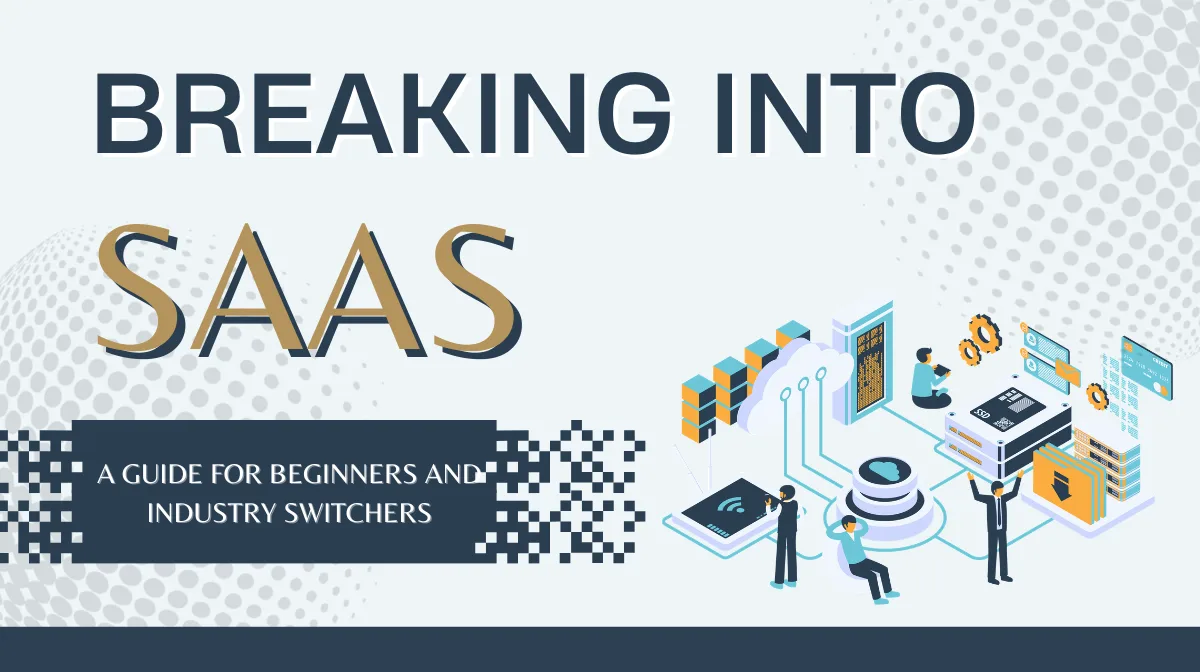
The SaaS (Software as a Service) sector is currently attracting significant attention for career transitions within the IT industry.
The market continues to grow at an average annual rate of 16.3% and is projected to reach a scale of 8.8 trillion yen by 2029.
In this article, we provide a thorough explanation of the specific steps to succeed in a SaaS career transition, the skills required for each job type, and a carefully selected list of 30 SaaS companies to watch as potential employers.
- Understand the massive 16.3% CAGR of the SaaS market and why it offers long-term stability for engineers.
- Learn the specific 5-step strategy to transition from legacy systems (SIer/Internal SE) to modern SaaS roles.
- Identify the top 30 SaaS companies and the precise skill sets required for high-paying roles like Back-end, SRE, and PdM.

1. Why SaaS Career Transitions Are Attracting Attention

Within the IT industry, transitioning to SaaS (Software as a Service) companies is gathering significant interest. The appeal of rapid market growth, high annual income, and flexible work styles seems to be drawing the attention of many engineers and business professionals.
Here, we will explain in detail the background and specific benefits of why SaaS companies are being chosen.
Rapid Growth and Future Potential of the SaaS Market
The domestic SaaS market is achieving extraordinary growth. According to the latest market forecast by IDC Japan, an IT research firm, the domestic public cloud service market in 2024 reached 4,142.3 billion yen, up 26.1% from the previous year.
Furthermore, it is expected to expand to a scale of 8,816.4 billion yen by 2029, representing growth of approximately 2.1 times compared to 2024. The Compound Annual Growth Rate (CAGR) is predicted to maintain an extremely high rate of 16.3%.
Background of Growth
This growth is driven by the promotion of Digital Transformation (DX) in enterprises, the introduction of cloud tools due to work-style reforms, and the rapid integration of Generative AI technology.
In 2024 in particular, products and services related to Generative AI significantly increased sales, and through the utilization of AI agents, the SaaS market has entered a new growth phase. The transition from traditional legacy systems to the cloud is in full swing, and the adoption rate of SaaS among small and medium-sized enterprises (SMEs) is steadily improving.
According to the “Communications Usage Trend Survey” by the Ministry of Internal Affairs and Communications, the percentage of companies using at least some cloud services is increasing year by year, with adoption progressing regardless of company size.
This market expansion signifies long-term career stability and growth opportunities for engineers and business professionals working in SaaS companies.
Source: Ministry of Internal Affairs and Communications “Communications Usage Trend Survey”
3 Benefits for Engineers Working at SaaS Companies
Benefit 1: High Annual Income and Clear Career Paths
The average annual income in the SaaS industry is at a high level even when compared to the general IT industry. The average annual income for listed SaaS companies exceeds 6 million yen, and appropriate evaluation systems based on technical skills are well-established.
Annual Income Range by Job Type:
- Back-end Engineer
Generally 4 million to 6 million yen for junior level, 6 million to 9 million yen for middle level, and 9 million to 15 million yen for senior level. - Front-end Engineer
4.5 million to 5.5 million yen for junior level, 5.5 million to 8 million yen for middle level, and 8 million to 10 million yen for senior level. - Infrastructure Engineer/SRE
5 million to 6.5 million yen for junior level, 6.5 million to 10 million yen for middle level, and 10 million to 13 million yen for senior level.
According to the “Basic Survey on Wage Structure” by the Ministry of Health, Labour and Welfare, average wages in the information and communications industry tend to be higher than in other industries.
Particularly in companies providing cloud services, appropriate evaluations are conducted for technical expertise. A characteristic of SaaS companies is that the market value of engineers is fairly assessed, and salary increase opportunities are clearly set according to skill improvement.
(Source: Ministry of Health, Labour and Welfare “Basic Survey on Wage Structure”)
Benefit 2: Environment with Access to Latest Technologies
In SaaS companies, a cloud-native technology stack is the standard. You can gain practical experience with major cloud platforms such as AWS, Google Cloud Platform (GCP), and Microsoft Azure, and there are abundant opportunities to be involved in the implementation of microservices architecture and container technologies (Docker, Kubernetes).
Furthermore, from 2024 onwards, the integration of Generative AI technology is accelerating, expanding chances to touch cutting-edge technical fields such as LLM (Large Language Model) API implementation, prompt engineering, and quality management of AI-generated content.
Compared to traditional SIers or on-premise-centric companies, SaaS companies have less technical debt, allowing you to work while learning the latest technologies in a modern development environment.
Benefit 3: Flexible Work Styles and Work-Life Balance
Many SaaS companies have a high remote work compatibility rate and have introduced flex-time systems. Following the spread of COVID-19, the number of companies allowing full remote work has increased.
These companies often have an “engineer-first” culture rooted in them, focusing on maintaining environments that maximize developer productivity.
While it was not uncommon for overtime to exceed 40 hours per month at traditional SIers, SaaS companies often keep it within 20 hours on average, making it an environment where work-life balance is easy to achieve.
The Truth and Reality of “Avoid the SaaS Industry”
You may see opinions online like “Avoid the SaaS industry.” However, many of these concerns are based on misunderstandings. Here, we explain common concerns and their realities.
- Common Concern 1: “Strict Quotas”
While sales quotas do exist in SaaS companies, engineers have different evaluation axes and are assessed based on technical skills and product contribution. Even for sales roles, many companies have systems like “The Model” (division of labor), which prevents excessive burden on individuals. - Common Concern 2″Startups are Unstable”
The reality is different. There are many large listed SaaS companies with revenues in the tens of billions of yen, such as SMS, Rakus, OBC, and Sansan. If you seek stability, you can choose listed companies or those that have achieved profitability. - Common Concern 3″Technical Change is Too Fast”
The speed of technical change represents an abundance of learning opportunities for engineers. Many SaaS companies have systems to support continuous learning, such as in-house study sessions, subsidies for technical books, and support for conference participation.
The SaaS industry is indeed fast-changing, but that also means growth opportunities are plentiful. With the right company choice and an attitude of self-improvement, the environment is set for engineers to grow significantly.
■Related Reading
Japan’s IT market is rapidly expanding, and foreign engineers are increasingly in demand. Get a full picture of the opportunities waiting for you in Japan’s tech sector.
2. 5 Steps to Succeed in a SaaS Career Transition
SaaS CAREER PATH
5 STEPS TO SECURE AN OFFERStep 1: Self-Analysis and Career Inventory
The first step in job hunting is to objectively organize your own experience and skills. Clarify how your current experience can be utilized in a SaaS company.
How to utilize current experience in the SaaS industry
We organize the points evaluated by SaaS companies based on experience:
- SIer Experienced
Experience in large-scale system development can be utilized in requirements definition and design for enterprise SaaS. Waterfall development experience proves project management ability, and customer negotiation experience is advantageous for transitioning to Customer Success or Product Management. - Contract Development Experienced
Adaptability to diverse tech stacks is evaluated as immediate strength. Experience in executing projects with short deadlines makes it easier to adapt to the speed of SaaS development, and skills in shaping client requests directly link to feature development reflecting user feedback. - Internal SE Experienced
Understanding business from a user perspective contributes to developing user-friendly products. Maintenance and operations experience show aptitude for SRE or infrastructure roles, and understanding internal system issues brings deep insight into Vertical SaaS development. - Other Industry Experienced
There are great chances even for those from other industries. Industry-specific business knowledge is highly valued in Vertical SaaS (industry-specific) companies. For example, those from real estate successfully moving to PropTech SaaS or those from healthcare to Medical DX is common.
Clarifying Target Roles
SaaS companies have diverse roles. It is important to choose a role that matches your skill set and orientation.
- Back-end Engineer
Main duties include REST API design, database design, server-side development, and microservices implementation. Suited for those who like logic design and are interested in data structure optimization. - Front-end Engineer
Focuses on UI/UX implementation, SPA (Single Page Application) construction, and responsive design. Suited for those passionate about improving user experience and bridging design and code. - Infrastructure Engineer
Handles cloud platform construction, IaC (Infrastructure as Code) implementation, and CI/CD pipeline construction. Suited for those who want responsibility for stable system operations and are interested in automation. - SRE (Site Reliability Engineer)
Main duties are improving service reliability/availability, building monitoring systems, and incident response. Suited for those interested in both development and infrastructure who like data-driven improvement. - Product Manager (PdM)
Handles product strategy, roadmap creation, stakeholder coordination, and requirements definition. Suited for those who want to understand both business and technology and are passionate about solving user issues.
Step 2: Understanding Basic Knowledge and Business Models of the SaaS Industry
In SaaS career transitions, understanding industry-specific business models and key metrics is highly evaluated in interviews.
Definition of SaaS and differences from other cloud services
SaaS (Software as a Service) is a service format that provides software via the internet. Users do not own servers or software but use necessary functions via browsers or applications.
According to the “Information and Communications White Paper” by the Ministry of Internal Affairs and Communications, SaaS provides software as a service, and subscription (monthly/annual) billing is the mainstream.
It allows constant access to the latest features through automatic updates, requires low initial investment, and is easy for SMEs to adopt.
Differences from other cloud services:
- IaaS (Infrastructure as Service)
Provides infrastructure like virtual servers and storage (e.g., AWS EC2), whereas SaaS provides the entire application. - PaaS (Platform as Service)
Provides development platforms (e.g., Google App Engine), whereas SaaS provides finished applications. - ASP (Application Service Provider)
A predecessor to SaaS that provided existing package software online. SaaS is cloud-native by design, with multi-tenant configurations, API integration, and continuous updates as standards.
Understanding Key Performance Indicators (KPIs) unique to SaaS
SaaS companies emphasize unique business metrics. Understanding these is a key point to show your “industry understanding” during interviews.
- MRR (Monthly Recurring Revenue)
Revenue obtained repeatedly every month. - ARR (Annual Recurring Revenue)
Annual recurring revenue (MRR × 12). The most important metric for measuring SaaS growth. - Churn Rate
The rate at which customers cancel within a certain period. Ideally under 1% monthly or 10% annually. - LTV (Life Time Value)
The total amount one customer pays during the contract period. - CAC (Customer Acquisition Cost)
The cost incurred to acquire one new customer. - LTV/CAC Ratio
An indicator of customer acquisition efficiency; 3 or more is considered healthy.
Understanding “The Model” Sales Organization
SaaS companies typically use a division of labor called “The Model.” This system splits the sales process into four departments: Marketing (Lead generation), Inside Sales (Lead nurturing/Appointment setting), Field Sales (Negotiation/Closing), and Customer Success (Post-contract support/Churn prevention).
Engineers have opportunities to collaborate with all these departments, from responding to Marketing’s landing page improvement requests to Customer Success’s feature feedback.
Step 3: Company Research and Creating a Target List
Next, perform company research to find the SaaS company that fits you.
Classification and Characteristics
- Horizontal SaaS
Provides industry-agnostic solutions (e.g., Slack, Salesforce, freee, Rakuraku Seisan). Scalable but highly competitive. - Vertical SaaS
Specialized for specific industries (e.g., Kaipoke for Nursing, ANDPAD for Construction, ITANDI for Real Estate). Deep expertise and less competition.
Classification by Company Scale
- Major Listed SaaS
Stability, extensive benefits, and systematic training (e.g., Cybozu, Sansan, Rakus). - Growing Middle-stage
Large discretion, sense of growth, and potential for stock options (e.g., SmartHR, Kaonavi, Smaregi). - Early-stage Startups
High risk/high reward, experience in the founding phase, and proximity to management.
5 Criteria for Selection:
- Financial Health (Revenue growth, ARR, profitability).
- Product Competitiveness (Market share, user reviews).
- Tech Stack (Whether the tech matches what you want to learn).
- Corporate Culture (Mission/Value resonance).
- Growth Opportunities (Career paths, training, conference support).
■Not Sure Which SaaS Company Is Right for You?
BLOOMTECH Career for Global specializes in matching foreign IT engineers with SaaS companies in Japan that fit their skills, work style, and career goals — with full bilingual support and visa assistance, completely free of charge.
▼Contact BLOOMTECH Career for Global here
Step 4: Document Creation and Effective Appeal Methods
Include the following elements in a resume for SaaS companies:
- Development Experience
Specific languages (Python, Go, etc.) and frameworks. - Project Scale
Team size, duration, and user count. - Technical Problem Solving
Clearly state “Challenge → Solution → Result.” - Quantitative Results
Improvement rates (performance up 60%, etc.). - Team Experience
Code reviews using Git/GitHub, Scrum development.
Portfolio & GitHub
For those with little experience, portfolios are powerful. Create “working services” and explain the technical choices in the README.
Contributions to OSS or writing technical blogs (Qiita, Zenn) are also highly evaluated as they prove your ability to verbalize learning processes.
Step 5: Interview Prep and Offer Negotiation
SaaS interviews often consist of a Technical Interview and a Culture Fit Interview.
- Technical Interview
Use the STAR method (Situation, Task, Action, Result) to explain difficult technical challenges. Be prepared for questions on scalability and agile development experience. - Culture Fit Interview
Logically explain “Why SaaS?” and research the company’s product in advance to suggest improvements (e.g., onboarding flow or dashboard customization).
Salary Negotiation
The best timing is after the offer and before acceptance. The realistic range is +20% to 30% of your current salary. For unlisted companies, check the conditions of Stock Options (tax-qualified or not, vesting period).
3. By Job Type | Skills and Experience Required in SaaS Companies

Back-end Engineer
- Essential
REST API design, RDB design (MySQL, PostgreSQL), Git, Linux. - Preferred
Go, Python, Ruby, Java, microservices, unit testing. - To Learn
Docker, Kubernetes, GitHub Actions, Message Queues (Kafka). - Salary Range
5M–7M (Junior), 7M–10M (Middle), 10M–12M+ (Senior).
Front-end Engineer
- Essential
React.js or Vue.js, TypeScript, Responsive design, CSS. - Preferred
Next.js, Nuxt.js, performance optimization, accessibility (WCAG). - To Learn
Performance measurement (Lighthouse), SEO basics, PWA, State management (Zustand, etc.). - Salary Range
4.5M–6.5M (Junior), 6.5M–8.5M (Middle), 8.5M–10M+ (Senior).
Infrastructure Engineer/SRE
- Essential
Cloud (AWS/GCP/Azure), Linux, Docker/Kubernetes, Networking. - Preferred
Terraform, Ansible (IaC), Monitoring (Datadog), CI/CD. - To Learn
Observability (Logs, Metrics, Traces), SLI/SLO design, Post-mortems. - Salary Range
5.5M–7.5M (Junior), 7.5M–11M (Middle), 11M–13M+ (Senior).
Product Manager (PdM)
- Essential
Strategy planning, Data analysis (GA4, Amplitude), Stakeholder coordination. - Preferred
Engineering knowledge, SQL, UX design basics, Agile practice. - To Learn
Cohort/Funnel analysis, Job Theory, Prototyping (Figma). - Salary Range
6M–8M (Junior), 8M–12M (Middle), 12M–15M+ (Senior).
■Related Reading
Curious about how salaries progress across different engineering levels in Japan? This guide breaks down compensation from entry-level to senior roles with real market data.

4. 30 SaaS Companies to Watch for Career Transitions [Selected]
Major Companies
1. SMS Co., Ltd.
Main Product: Vertical SaaS for nursing care/medical/healthcare “Kaipoke”
Revenue: ¥60.95B (FY2024)
Features: Solid demand base in an aging society, high social impact
Tech Stack: AWS, Ruby on Rails, React
Highlight: Gain expertise in medical/nursing care industry; learn vertical SaaS business model
URL: https://www.bm-sms.co.jp/
2. RAKUS Co., Ltd.
Main Product: SMB-focused SaaS including “Raku Raku Seisan” and “Raku Raku Meisai”
Revenue: ¥48.9B (FY2024)
Average Salary: ~¥6.5M
Features: High customer retention rate (95%+), cross-sell strategy, strong TV-CM brand recognition
Tech Stack: Java, PHP, AWS, React
Highlight: Stable management foundation, work-life balance, SMB SaaS market understanding
3. OBC (Obic Business Consultants Co., Ltd.)
Main Product: Bugyo Series (accounting, HR, payroll)
Revenue: ¥46.98B (FY2024)
Average Salary: ~¥7M
Features: 30+ years of track record, strong inter-company integration, 720,000+ companies using the product
Tech Stack: .NET, SQL Server, Azure
Highlight: Enterprise-level development experience, deep understanding of core business systems
4. Sansan, Inc.
Main Products: Business card management “Sansan”, personal networking “Eight”, invoice receipt “Bill One”
Revenue: ~¥30B (FY2024)
Average Salary: ~¥7.5M
Features: Evolution from business card data to B2B database, OCR and AI utilization
Tech Stack: Python, Go, TypeScript, AWS
Highlight: Data science/ML opportunities, cross-product integration experience
5. MoneyForward, Inc.
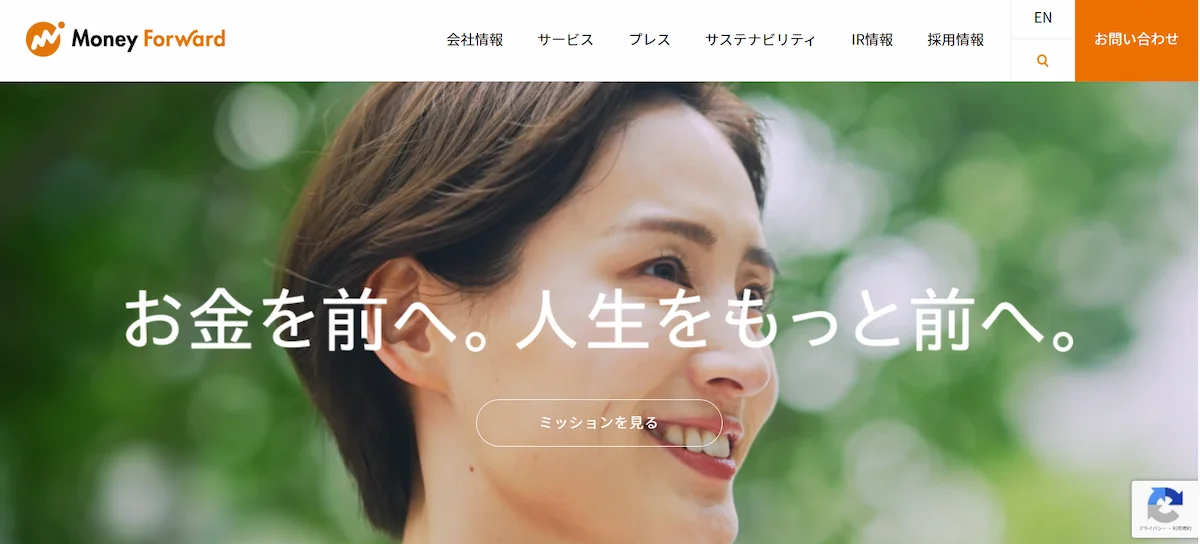
Main Product: Integrated back-office platform “Money Forward Cloud”
Revenue: ¥40.36B (FY2024)
Average Salary: ~¥8M
Features: Finance × technology fusion, cross-sell through multiple products
Tech Stack: Ruby on Rails, Go, React, GCP
Highlight: Cutting-edge fintech development, financial data integration experience
URL: https://corp.moneyforward.com/
6. Cybozu, Inc.
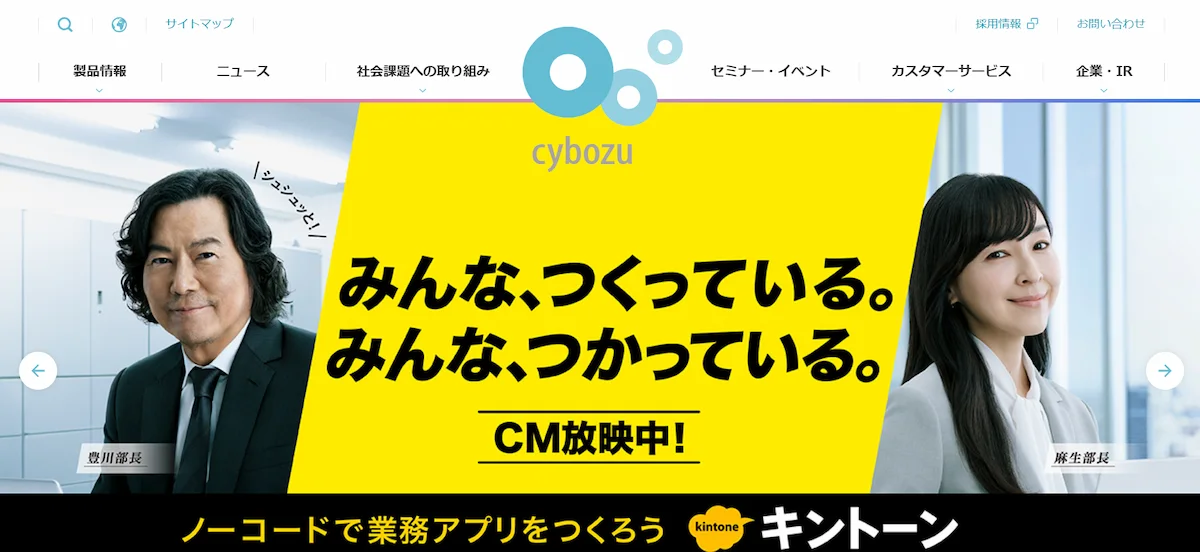
Main Products: Groupware “kintone”, “Garoon”
Revenue: ~¥25B (FY2024)
Average Salary: ~¥7M
Features: Leading company in work style transformation, diverse working style practices
Tech Stack: JavaScript, Node.js, AWS
Highlight: No-code platform development, flexible working style
7. freee K.K.
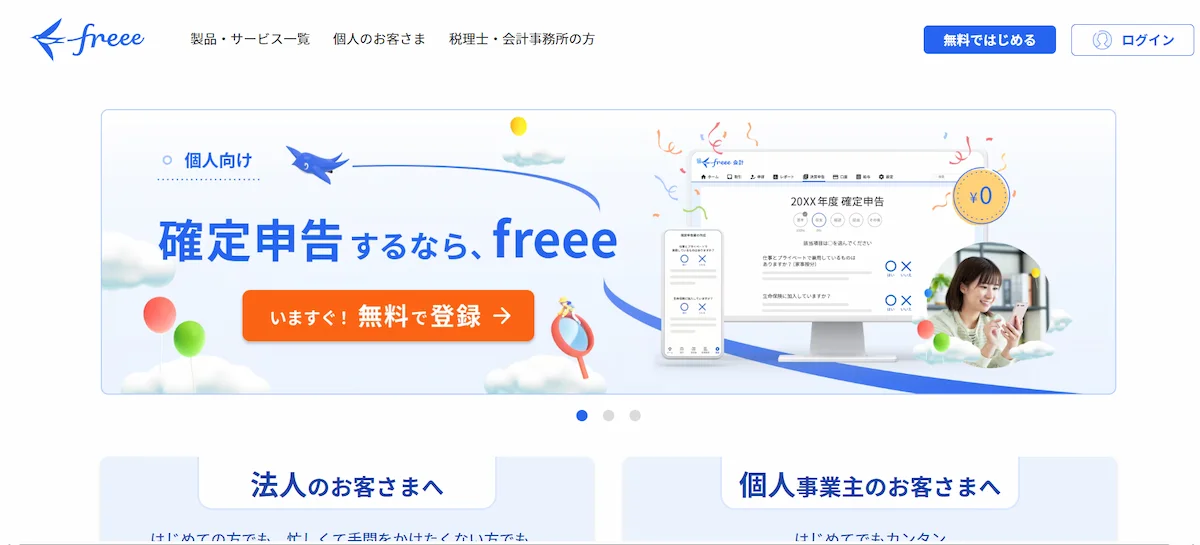
Main Products: Cloud accounting “freee Accounting”, HR/payroll “freee HR”
Revenue: ~¥25B (FY2024)
Average Salary: ~¥7.5M
Features: No.1 share for SMBs and sole proprietors, back-office efficiency for small businesses
Tech Stack: Ruby on Rails, React, GCP
Highlight: Accounting domain expertise, strong UI/UX focus
8. SmartHR, Inc.
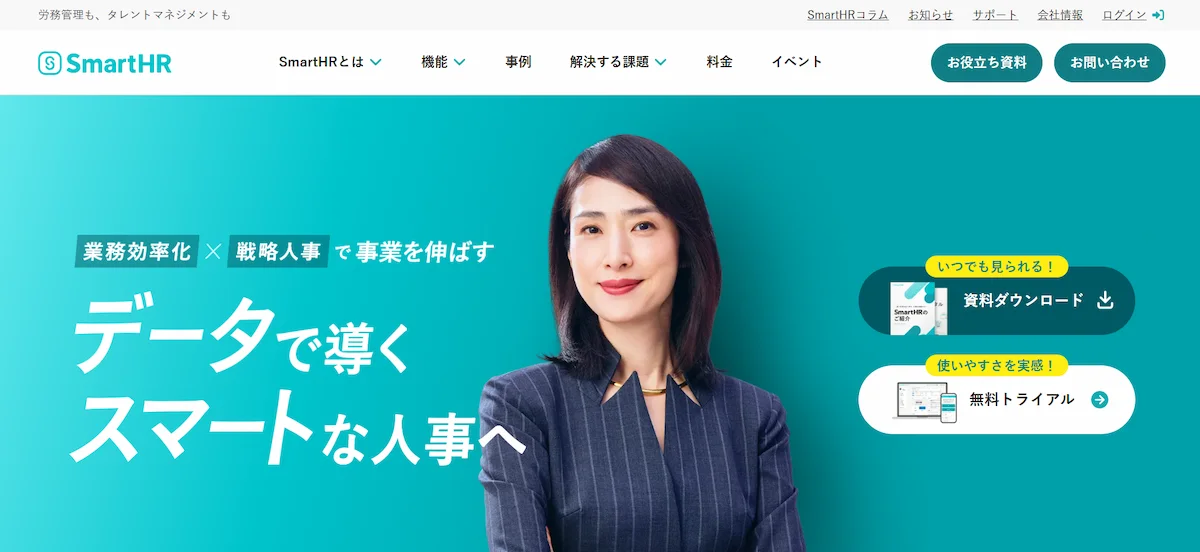
Main Product: Cloud HR/labor management software “SmartHR”
Revenue: ~¥20B (FY2024)
Average Salary: ~¥7.5M
Features: No.1 share in HR/labor management, supports electronic social insurance procedures
Tech Stack: Ruby on Rails, React, AWS
Highlight: Deep HR/labor knowledge, large-scale SaaS development experience
URL: https://smarthr.jp/
9. Kaonavi, Inc.
Main Product: Talent management system “Kaonavi”
Revenue: ¥7.09B (FY2024)
Average Salary: ~¥6.5M
Features: Visualization of personnel information, leader in talent management space
Tech Stack: Ruby on Rails, Vue.js, AWS
Highlight: HRTech specialization, mid-market SaaS experience
10. PLAID, Inc.
Main Product: CX platform “KARTE”
Revenue: ~¥15B (FY2024)
Average Salary: ~¥9.5M (top-tier in the industry)
Features: Real-time CX optimization, advanced data analytics infrastructure
Tech Stack: Go, TypeScript, GCP, BigQuery
Highlight: High salary, data engineering experience, marketing technology expertise
Growth-Stage Companies
11. Yappli, Inc.

Main Product: No-code app development platform “Yappli”
Total Funding: ~¥10B
Features: No-code mobile app development, high share in retail/EC industry
Tech Stack: Ruby on Rails, React Native, AWS
Highlight: No-code platform development, mobile app market understanding
12. Raksul, Inc.
Main Products: Print and logistics DX platforms “Raksul” and “Hacobell”
Revenue: ~¥50B (FY2024)
Features: Sharing platform-type SaaS, DX promotion in printing/logistics industries
Tech Stack: Ruby on Rails, Go, React, AWS
Highlight: Matching platform development, logistics tech experience
URL: https://raksul.com/
13. Ubie, Inc.
Main Products: AI medical interview “Ubie AI Triage”, medical facility search “Ubie Medical Navi”
Total Funding: ~¥15B
Features: Healthcare DX, AI-powered medical interview systems
Tech Stack: Python, TypeScript, GCP, TensorFlow
Highlight: Healthcare × AI domain, high social impact business
URL:https://ubiehealth.com/company
14. BizReach, Inc. (HRMOS)
Main Products: Job platform “BizReach”, recruitment management “HRMOS”
Revenue: ~¥40B (FY2024)
Features: Leading company in HR Tech, database marketing
Tech Stack: Java, TypeScript, AWS
Highlight: HR Tech market understanding, large-scale database operations
URL: https://www.bizreach.co.jp/
15. Smaregi, Inc.
Main Product: Cloud POS register “Smaregi”
ARR: ~¥7.5B (FY2024), growth rate 52.9%
Features: POS system for food service/retail, over 47,000 active stores
Tech Stack: PHP, JavaScript, AWS
Highlight: Retail tech domain, store DX experience
URL: https://smaregi.jp/
16. Toyokumo, Inc.
Main Products: Safety confirmation service “Anpi Kakunin Service 2”, kintone integration tools
Revenue: ~¥5B (FY2024)
Average Salary: ~¥8.5M
Features: No.1 position in a niche market, high profit margin
Tech Stack: PHP, JavaScript, AWS
Highlight: Niche SaaS business model, high salary
URL: https://www.toyokumo.co.jp/en
17. SHIFT Inc. (CAT)
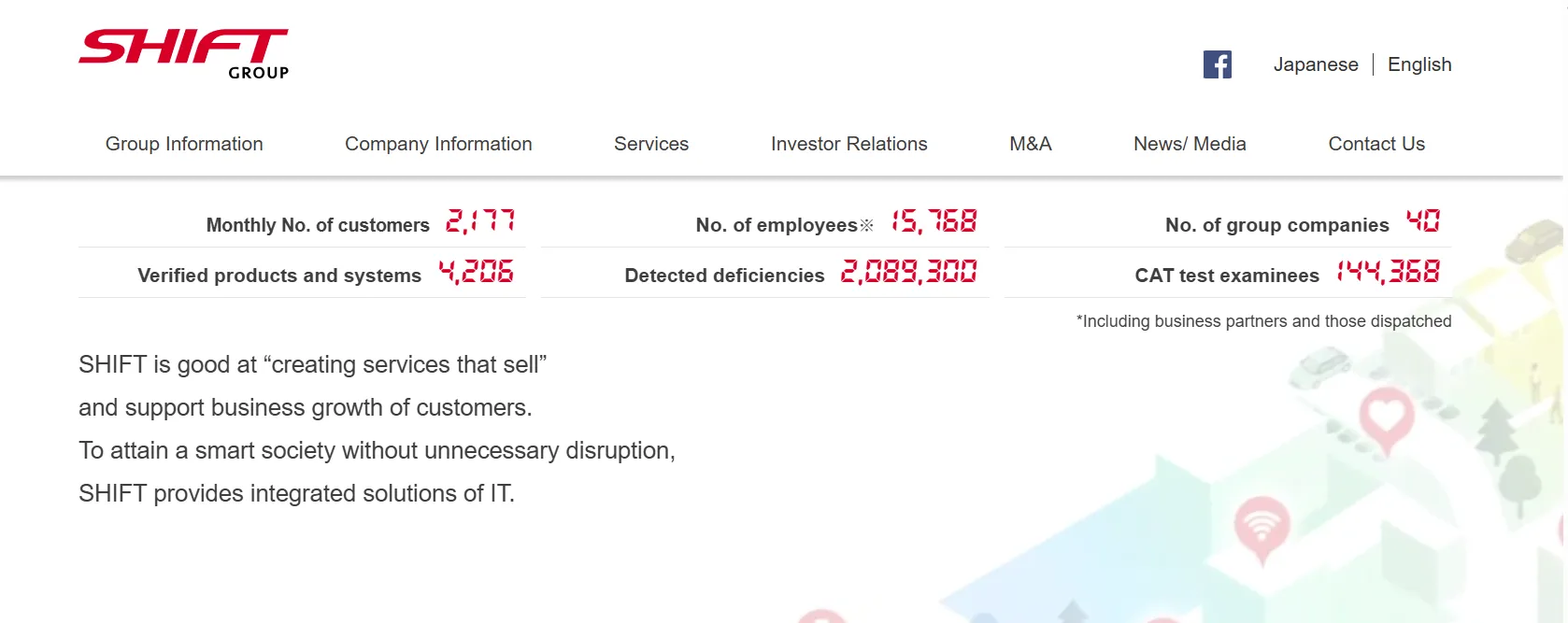
Main Products: Software quality assurance services, SaaS “CAT”
Revenue: ~¥80B (FY2024)
Features: Specialization in quality assurance, development of test automation tools
Tech Stack: Java, Python, AWS
Highlight: QA domain expertise, test automation experience
18.
Main Products: Economic information platforms “SPEEDA” and “NewsPicks”
Revenue: ~¥20B (FY2024)
Features: Data-driven information platform, global expansion
Tech Stack: Python, TypeScript, AWS, BigQuery
Highlight: Data engineering, information media experience
URL: https://www.uzabase.com/en/
19. Appier Group, Inc.
Main Product: AI marketing platform
Revenue: ~¥20B (FY2024)
Features: Marketing optimization using AI technology, leader in APAC region
Tech Stack: Python, Go, GCP, TensorFlow
Highlight: AI/ML domain, marketing technology
URL: https://www.appier.com/en/
20. CyberAgent, Inc. (ABEMA)
Main Products: Video streaming “ABEMA”, advertising platform
Revenue: ~¥700B (consolidated, FY2024)
Features: Media × advertising technology, processing of large-scale traffic
Tech Stack: Go, Scala, TypeScript, AWS, GCP
Highlight: Large-scale system development experience, video streaming technology
URL:https://www.cyberagent.co.jp/en/
Vertical SaaS Companies (Specialization-Focused)
21. ITANDI, Inc.
Domain: Real estate tech
Main Product: Real estate DX platform “ITANDI BB”, “Electronic Contract-kun”
Total Funding: ~¥10B
Features: Digitizing real estate industry practices, streamlining rental brokerage processes
Tech Stack: Ruby on Rails, React, AWS
Highlight: Deep understanding of real estate industry, legacy industry DX experience
22. ANDPAD, Inc.

Domain: Construction DX
Main Product: Construction management app “ANDPAD”
Total Funding: ~¥20B
Features: No.1 share in construction industry, platform connecting job sites and offices
Tech Stack: Go, TypeScript, AWS
Highlight: Construction industry business understanding, mobile app development
23. Hacobu, Inc.
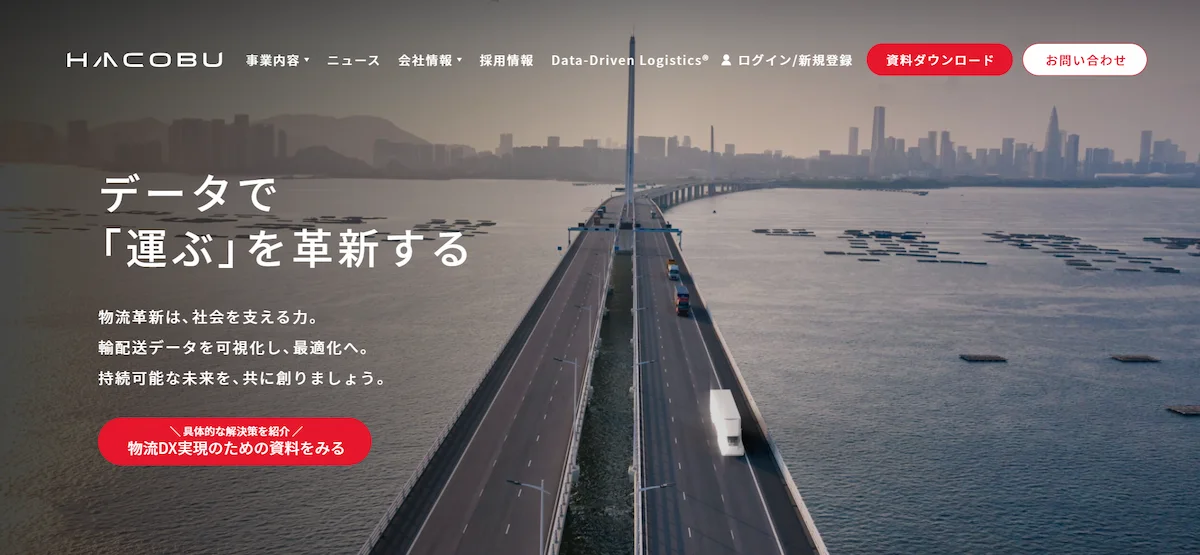
Domain: Logistics DX
Main Product: Logistics DX platform “MOVO”
Total Funding: ~¥10B
Features: Truck appointment reception service, addressing logistics industry’s 2024 problem
Tech Stack: Go, TypeScript, AWS
Highlight: Logistics industry challenge understanding, IoT integration
URL: https://hacobu.jp/
24. Photoruction, Inc.
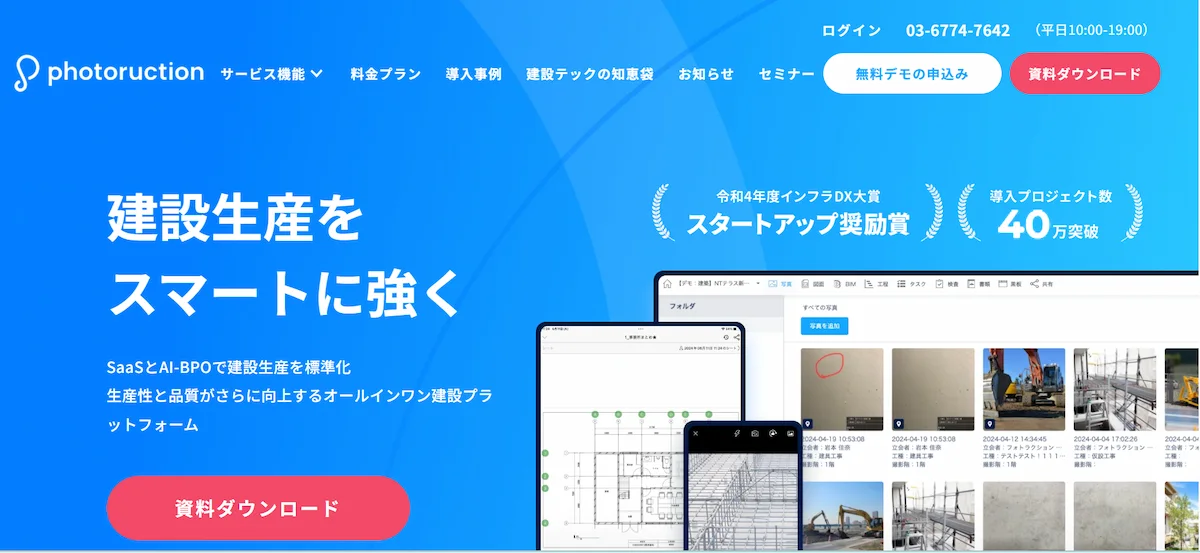
Domain: Construction DX
Main Product: Site management cloud “Photoruction”
Total Funding: ~¥5B
Features: Photo-based site management, AI automated analysis
Tech Stack: Ruby on Rails, React, AWS, AI/ML
Highlight: Image recognition technology, construction site business understanding
URL: https://photoruction.com/
25. SpaceMarket, Inc.
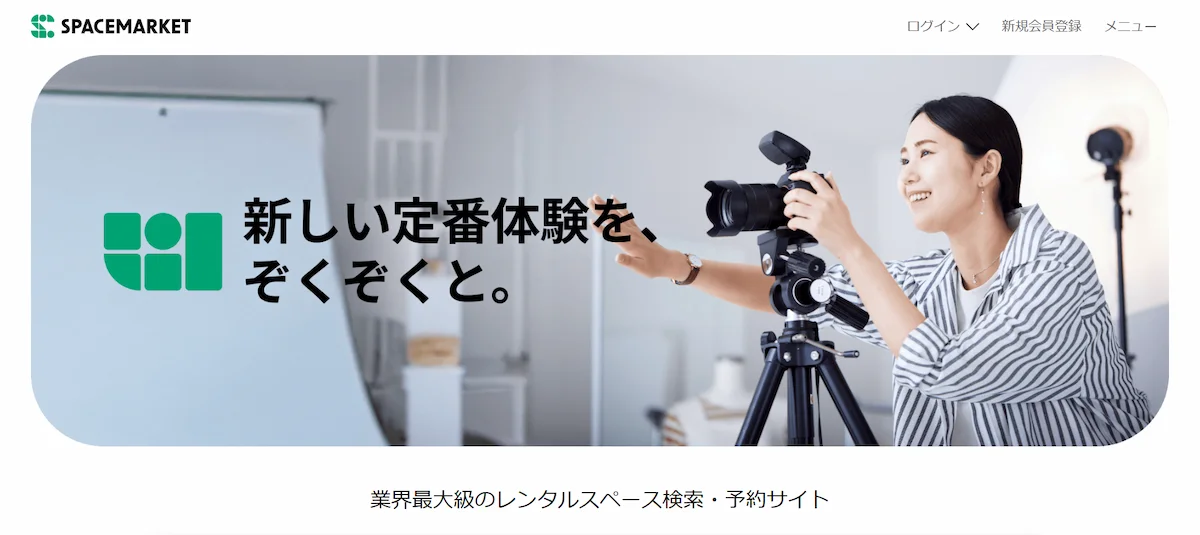
Domain: Space sharing
Main Product: Space sharing platform “SpaceMarket”
Revenue: ~¥3B (FY2024)
Features: Hourly space rental matching platform, utilization of idle assets
Tech Stack: Ruby on Rails, React, AWS
Highlight: Sharing economy, matching platform experience
URL: https://www.spacemarket.com/
Startup Companies
26. Akari Inc. (燈)
Domain: Real estate industry DX
Main Product: Business management system for real estate industry
Total Funding: ~¥1B
Features: Eliminates inefficiencies in real estate industry, covers entire workflow
Tech Stack: TypeScript, React, AWS
Highlight: Early-stage company experience, high degree of autonomy
URL: https://akari.inc/
27. Leaner Technologies, Inc.
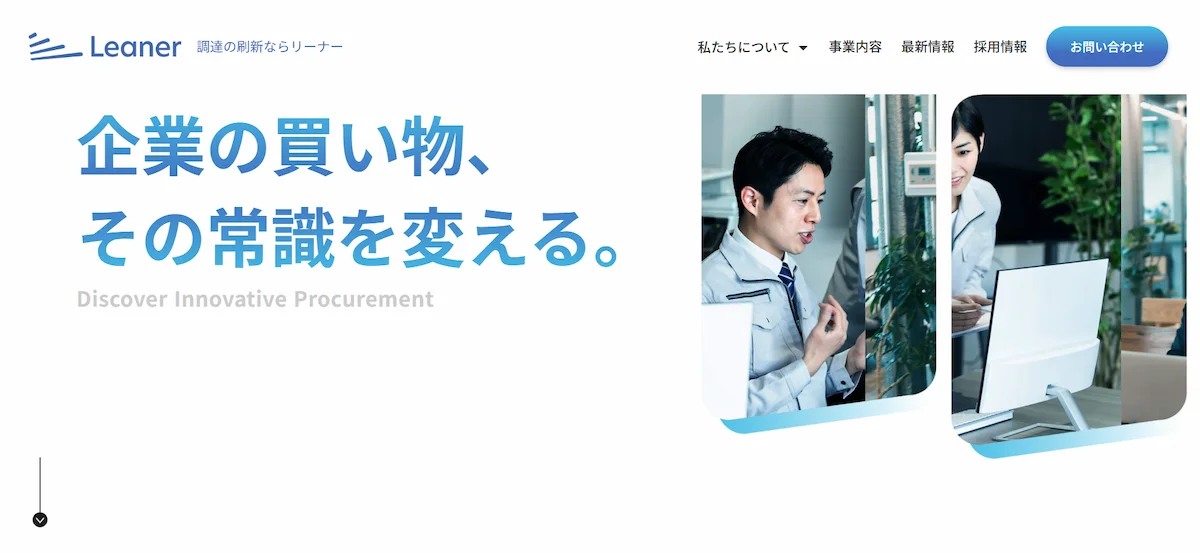
Domain: Indirect procurement DX
Main Product: Procurement management system “Leaner”
Total Funding: ~¥3B
Features: Eliminates inefficiencies in indirect procurement, automated approval workflows
Tech Stack: Go, TypeScript, AWS
Highlight: Procurement domain expertise, BPR experience
28. XMile, Inc.
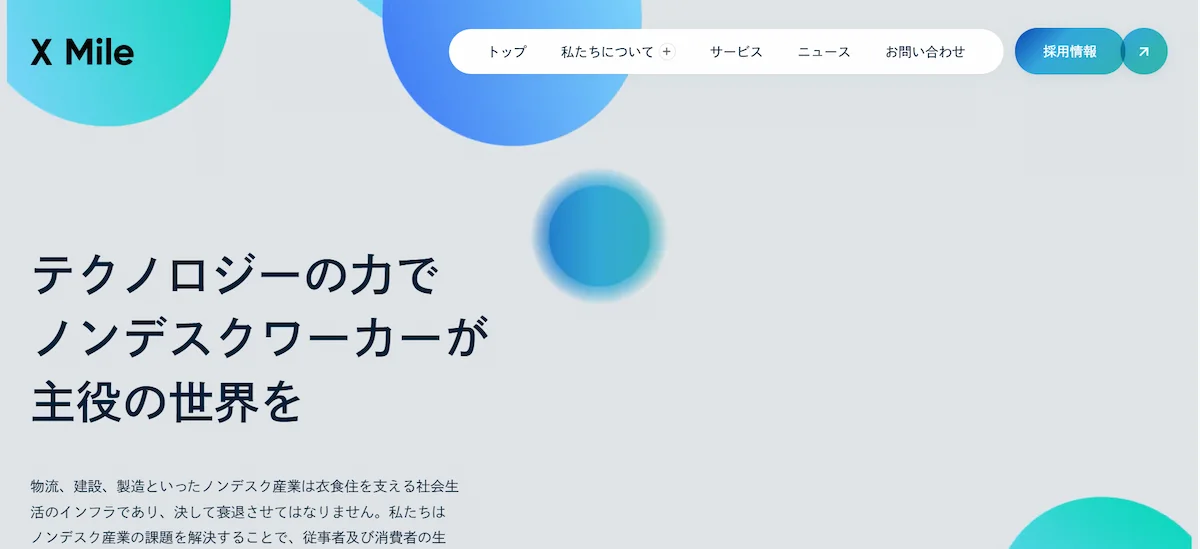
Domain: Last-mile logistics
Main Product: Delivery management system
Total Funding: ~¥1.5B
Features: Delivery route optimization, last-mile efficiency improvement
Tech Stack: Python, Go, GCP
Highlight: Logistics optimization algorithms, map data utilization
URL: https://xmile.jp/
29. Eco-Pork, Inc.
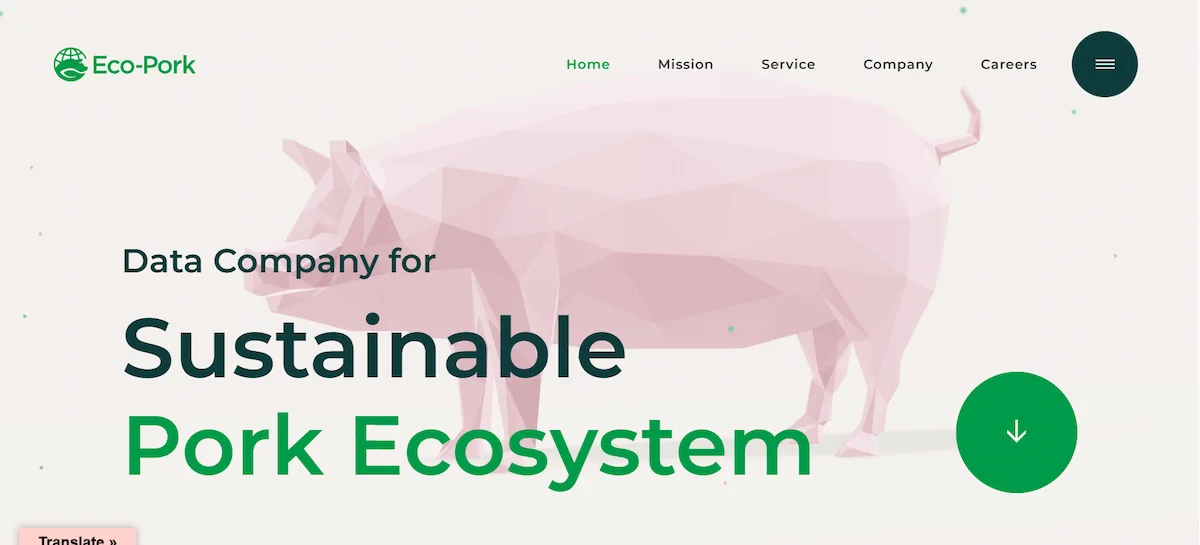
Domain: AgriTech
Main Product: Pig farming management system “Porker”
Total Funding: ~¥900M
Features: Improving pig farming with AI, ICT and IoT, livestock industry DX
Tech Stack: Python, IoT, AI/ML
Highlight: Niche market, IoT integration, high social impact
30. STORES, Inc.
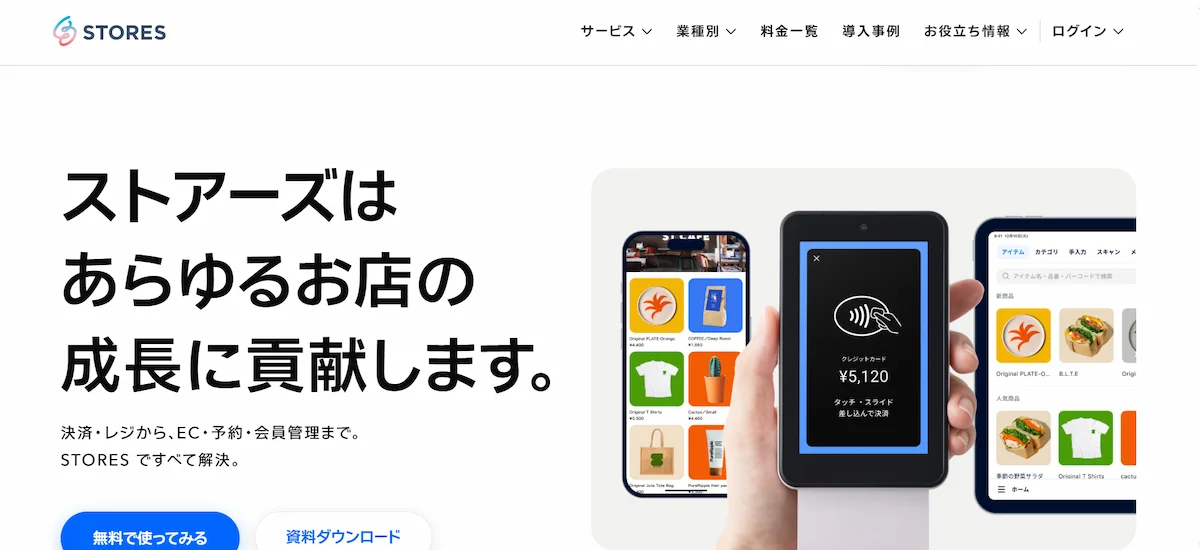
Domain: E-commerce
Main Products: Online store creation “STORES”, payment “STORES Payment”
Valuation: ~¥92.2B (near unicorn status)
Features: Easy online store setup for anyone, integrated EC × payment
Tech Stack: Ruby on Rails, React, AWS
Highlight: E-commerce market understanding, payment system experience
URL: https://stores.jp/
■日本でエンジニアとしてキャリアアップしたい方へ
海外エンジニア転職支援サービス『 Bloomtech Career 』にご相談ください。「英語OK」「ビザサポートあり」「高年収企業」など、外国人エンジニア向けの求人を多数掲載。専任のキャリアアドバイザーが、あなたのスキル・希望に合った最適な日本企業をご紹介します。
▼簡単・無料!30秒で登録完了!まずはお気軽にご連絡ください!
Bloomtech Careerに無料相談してみる
5. Success Stories [BLOOMTECH Career Records]
![5. Success Stories [BLOOMTECH Career Records]](https://global.bloomtechcareer.com/wp-content/uploads/2026/03/BLOOMTECH-Career-Records.webp)
- Case 1: SIer → SaaS (Back-end) [Salary +1.5M Up]
A 28-year-old Java engineer built a React/Node.js portfolio. Moved to a Horizontal SaaS firm. Now uses Go/AWS with 15 hours of overtime. - Case 2: Internal SE → Vertical SaaS (Infrastructure) [Salary +1.8M Up]
A 32-year-old internal SE got AWS certified and leveraged manufacturing knowledge to join a PropTech SaaS as an SRE. - Case 3: Sales → SaaS (Via Customer Success)
A 26-year-old in sales joined a SaaS firm as Customer Success first. After one year of learning Rails, transitioned to a Back-end engineer internally.
https://global.bloomtechcareer.com/en
■Related Reading
Still weighing outsourcing firms versus in-house SaaS development companies? This comparison covers 10 key differences to help you make the right choice for your career.
■Ready to Write Your Own SaaS Success Story?
Whether you’re coming from a SIer, internal SE, or a completely different industry, our bilingual career advisors have helped engineers just like you land roles at top SaaS companies in Japan. Let us help you find your path.
▼Contact BLOOMTECH Career for Global here
6. Future of the SaaS Industry and Upcoming Trends

Market Forecast to 2029
The CAGR of 16.3% is driven by DX acceleration and the modernization of SME back-office functions.
Impact of Generative AI
2024 is the “First Year of Generative AI.” SaaS companies are rushing to integrate LLM APIs (OpenAI, Claude) for automated minutes, code generation, and marketing drafts.
Engineers now need knowledge in prompt engineering and AI quality management.
Rising Technical Skills
Cloud-native (Kubernetes), Data Engineering (BigQuery, dbt), ML Implementation, and Zero Trust Security are becoming essential.
■Related Reading
Looking for a structured overview of where your IT engineering career can go from here? This guide covers 20 career roadmaps with strategies tailored to different specializations and goals.
7. FAQ for SaaS Career Transitions

- Q1: Can I transition without experience?
Yes, by building a “working service” portfolio or by starting in CS/QA roles and moving to engineering internally. - Q2: Is there a lot of overtime?
It varies. SIers tend to have more. SaaS companies often keep it within 20 hours/month due to an engineer-first culture. - Q3: When should I negotiate salary?
After the offer but before acceptance. Aim for +20-30% of current salary. - Q4: Is there an age limit?
No. 20s areポテンシャル (potential), 30s are即戦力 (immediate strength), and 40s are valued for management/leadership. - Q5: Can I work from a rural area?
Yes, full-remote SaaS companies are increasing. - Q6: What is emphasized in interviews?
Technical logic (STAR method) and Culture Fit (resonance with product and data-driven mindset).
■Related Reading
Wondering if now is the right time to make your move? This article outlines the key signs that it’s time to change jobs as a software engineer, along with timing and salary strategies.

8. Achieving Success with SaaS Companies
To succeed in a career transition to SaaS companies, understanding the industry-specific business model, preparing documents that effectively appeal your experience, and utilizing a recruitment agent well-versed in the industry are vital.
The domestic SaaS market is predicted to see high growth of 16.3% annually until 2029, making now an excellent time for a career change.
■Start Your SaaS Career in Japan Today
With Japan’s SaaS market projected to grow at 16.3% annually through 2029, now is the ideal time to make your move. BLOOMTECH Career for Global offers free, personalized support for foreign IT engineers — from company matching and interview prep to visa assistance. Register in just 30 seconds and take the first step toward your ideal career.
▼Contact BLOOMTECH Career for Global here